
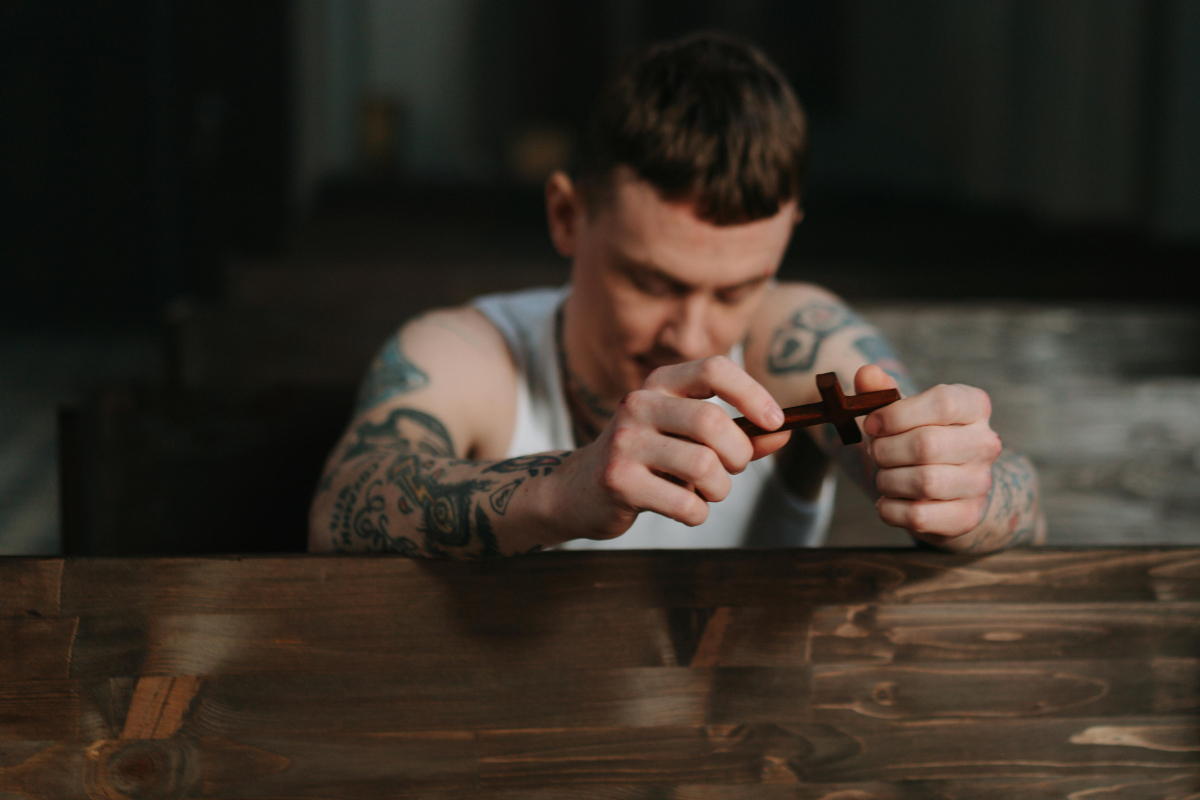
3 Steps to Start Forgiving Yourself
1. Admit What Happened Without Sugarcoating or Self-Destruction
Owning your past doesn’t mean drowning in it.
Write it down. Say it out loud to a therapist, sponsor, or safe person.
Name what happened, what you regret, and what you’ve learned.
Clarity creates peace.
2. Separate Your Actions From Your Identity
Your addiction made choices.
Your recovery is making different ones.
You’re not the same person who made those mistakes.
You’re the person who survived them.
3. Commit to Repair, Not Ruin
Forgiveness is action.
It’s showing up sober.
It’s apologizing when appropriate.
It’s setting boundaries.
It’s rebuilding trust one day at a time.
Healing isn’t always loud.
Sometimes it’s the quiet decision to do better today than yesterday.
What Self-Forgiveness Is Not
It’s not pretending nothing happened.
It’s not expecting others to forgive you right away.
It’s not avoiding accountability.
It’s not a one-time moment, it’s a lifestyle.
Self-forgiveness doesn’t erase the past.
It releases its grip on your future.
You Deserve to Be Free
The past cannot be changed.
But its meaning can.
Forgiving yourself is the moment you stop being the villain of your story and start becoming the hero.
Every day you stay sober, you’re proving that you are more than the worst thing you’ve ever done.
You’re here. You’re trying. You’re healing.
And that is enough.
Need a sober living home in San Diego?
Call us today:
858-766-1922